
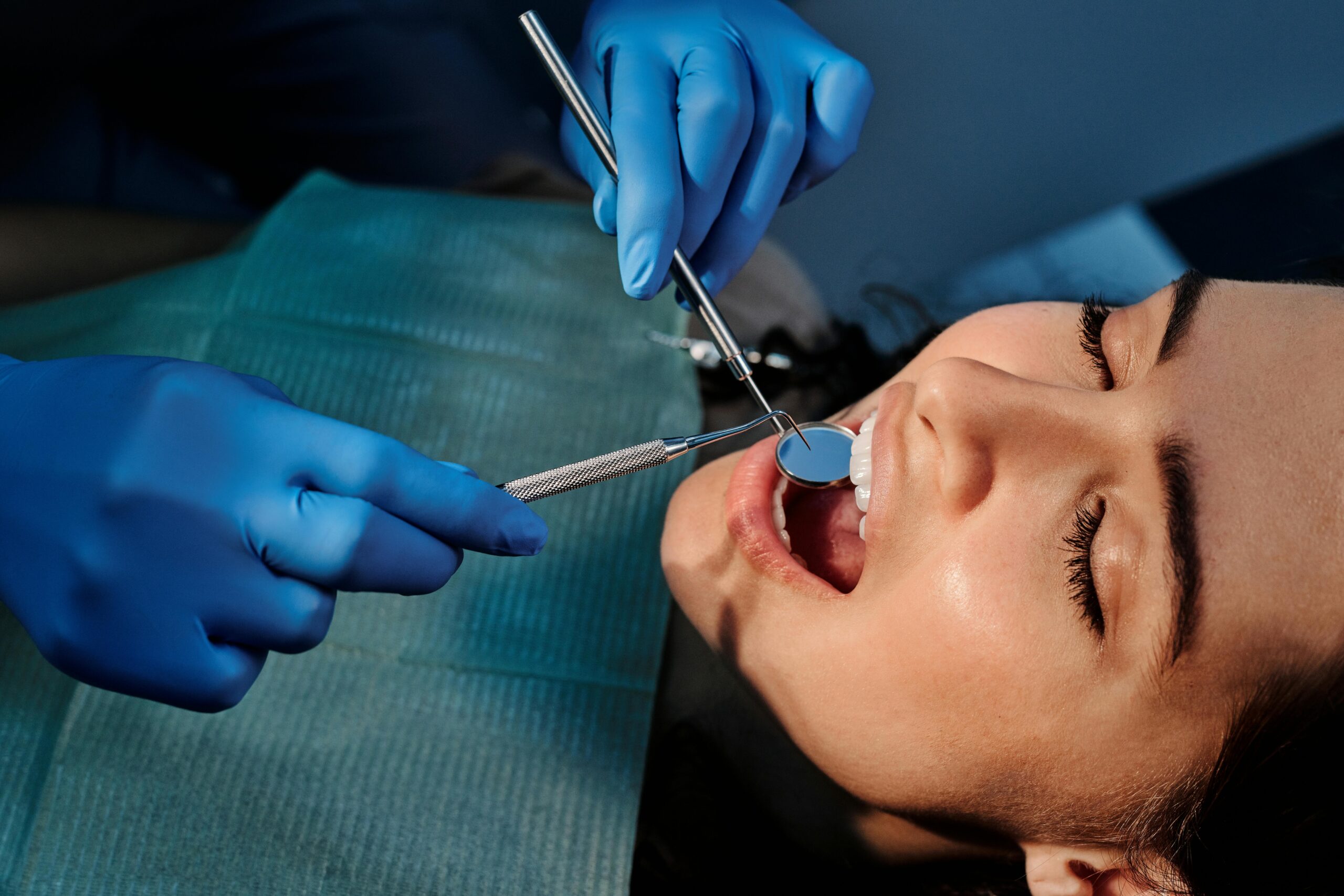
If you’ve ever eaten ice cream or sipped a cold drink and experienced a sharp, uncomfortable pain in your teeth, you’re not alone. Many people experience teeth sensitive to cold at some point in their lives. This discomfort can be minor or quite intense, affecting your daily enjoyment of foods and beverages. Understanding the causes of sensitive teeth and exploring effective cold sensitivity teeth treatment options can help you find relief and protect your oral health.
In this article, we’ll explore why your teeth react painfully to cold, what causes tooth sensitivity cold, and how you can address this common issue. Recognizing the signs early and seeking professional advice can make a significant difference in your comfort and dental health.
What Causes Sensitive Teeth to React to Cold?
Tooth sensitivity occurs when the protective enamel protecting your teeth wears down or your gums recede, exposing the underlying dentin. Dentin contains tiny tubules that connect to nerves inside the tooth, and when exposed, these nerves can trigger sharp pain in response to cold stimuli.
Common sensitive teeth causes include:
– Enamel erosion due to acids from food and drinks
– Gum recession exposing roots
– Tooth decay or cavities
– Cracked or chipped teeth
– Excessive or aggressive brushing
– Teeth whitening procedures
– Dental procedures like fillings or crowns
Understanding these causes helps you pinpoint what might be triggering your cold sensitivity and when to seek treatment.
How to Manage Cold Sensitivity Teeth Symptoms
Managing teeth sensitive to cold starts with simple at-home strategies, but persistent pain should be addressed by a dental professional. Here are some tips:
– Use a soft-bristled toothbrush and avoid aggressive brushing
– Switch to toothpaste formulated for sensitive teeth
– Avoid acidic foods and drinks that can erode enamel
– Limit consumption of very cold or hot foods and beverages
– Use fluoride rinses or gels to strengthen enamel
– Wear a mouthguard if you grind your teeth at night
While these tips provide temporary relief, addressing the underlying causes requires professional care. A dentist can evaluate your symptoms, diagnose the cause, and recommend appropriate treatment options.
Visit Your Dentist for Cold Sensitivity Treatment
If your teeth are consistently sensitive to cold, don’t wait to get help. A professional dental examination can identify the root cause of your sensitivity and tailor a treatment plan specifically for you. Treatments may include fluoride applications, bonding, desensitizing toothpaste recommendations, or addressing any underlying dental issues like decay or gum disease.
Book an appointment today to regain your comfort and protect your healthy smile. Early intervention can often prevent more serious dental problems down the line.
FAQs
Why are my teeth suddenly sensitive to cold?
Sudden cold sensitivity can result from enamel wear, gum recession, or dental trauma. It’s important to see a dentist promptly to determine the cause and receive appropriate treatment to prevent further damage.
Can chipped teeth cause sensitivity to cold?
Yes, a chipped or cracked tooth can expose dentin or pulp, leading to increased sensitivity to cold. Dental repair is necessary to restore the tooth’s protection and eliminate discomfort.
Is it normal to have sensitive teeth after a professional cleaning?
Some sensitivity after dental cleaning is common and temporary. However, if the sensitivity persists or worsens, consult your dentist to ensure no underlying issues.
How long does cold sensitivity last after whitening?
Teeth whitening can cause temporary sensitivity lasting from a few days to a week. Using desensitizing toothpaste and avoiding extreme temperatures during this time can help ease discomfort.
Conclusion
Experiencing teeth sensitive to cold can be uncomfortable and disruptive to your daily routine. It often signals underlying issues like enamel erosion, gum recession, or other dental concerns that need attention. By understanding the common causes of tooth sensitivity cold, you can take proactive steps at home and seek professional guidance for effective treatment. Protecting your teeth from cold sensitivity not only relieves discomfort but also safeguards your overall oral health.
Don’t let cold sensitivity hold you back from enjoying your favorite foods and drinks. If you’re experiencing persistent discomfort, scheduling a visit with your dentist is simple and can bring you relief. Getting personalized treatment plans is easier than you think—helping you maintain a healthy, comfortable smile is just a call away.