
Oral Lichen Planus
Understanding and Managing Oral Lichen Planus
Oral Lichen Planus is a chronic inflammatory condition that affects the mucous membranes inside the mouth. As part of our Specialty services in Oral Medicine, we provide expert care for patients experiencing this complex condition. If you're dealing with persistent mouth sores, unusual patches, or discomfort, understanding oral lichen planus and exploring treatment options is essential. Our team specializes in diagnosing and managing this condition to help you regain oral health and comfort.
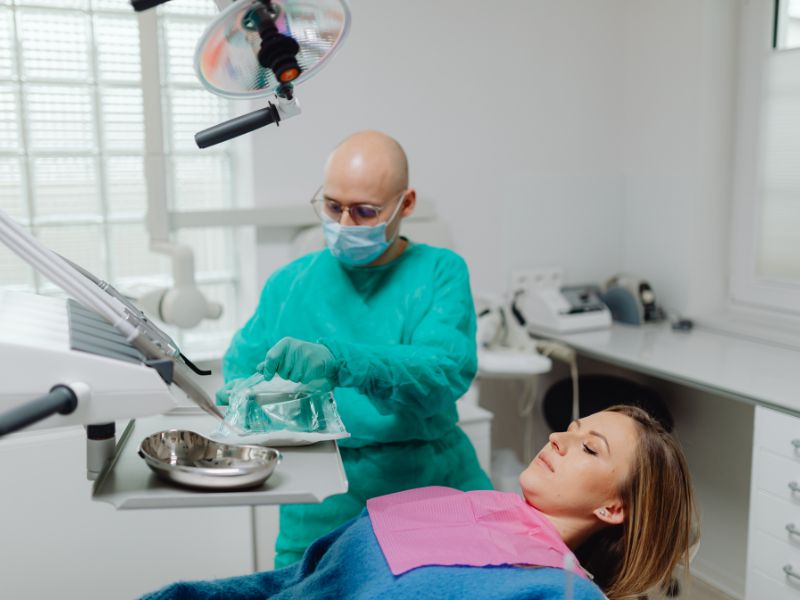
What is Oral Lichen Planus?
Oral lichen planus is an autoimmune disorder where the immune system mistakenly attacks the cells lining the mouth’s mucous membranes. It often presents as white, lacy patches or painful sores inside the cheeks, gums, tongue, or palate. While the exact cause remains unknown, certain factors like stress, medications, or dental triggers may contribute.
Typically, oral lichen planus affects middle-aged adults, and women are more commonly diagnosed than men. It often exists alongside other types of lichen planus affecting the skin or nails, underscoring its autoimmune nature.
Symptoms and Signs
Conditions like oral lichen planus usually cause discomfort and aesthetic concerns. Common symptoms include:
White, lacy, or netlike patches called Wickham's striae
Red, swollen, or ulcerated areas that are painful or sensitive
Burning sensation or soreness, especially when eating spicy or acidic foods
Clear Aligners: Removable, nearly invisible trays that gradually shift teeth, ideal for minor to moderate corrections.
Dry mouth or taste changes in more severe cases
In some patients, symptoms flare up periodically and then subside, making management more challenging.

Diagnosis and Evaluation
Diagnosing oral lichen planus involves a thorough clinical examination and, sometimes, a biopsy. Our experienced oral medicine specialists will evaluate your oral tissues carefully to distinguish lichen planus from other similar conditions, such as leukoplakia or candidiasis.
A biopsy involves removing a small tissue sample for microscopic examination, which can confirm the diagnosis. We also take a detailed history to identify potential triggers or associated health issues.
Treatment Options
While there is currently no cure for oral lichen planus, several therapies can control symptoms and minimize flare-ups. Treatment aims to reduce inflammation, promote healing, and improve quality of life. Options include:
Topical corticosteroids to decrease inflammation and alleviate pain
Systemic medications for severe or widespread cases
Oral rinses containing corticosteroids or other soothing agents
Lifestyle modifications, such as avoiding spicy or acidic foods
Regular monitoring for any changes in the condition
In addition, managing stress and addressing any potential triggers can lessen symptom severity. We tailor each treatment plan to your specific needs, aiming to maximize comfort and oral health.
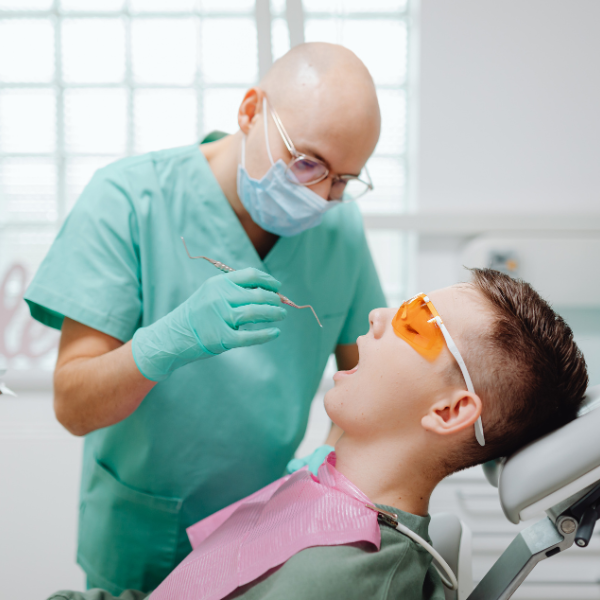

Living with Oral Lichen Planus
Managing this condition is an ongoing process. Many patients experience periods of remission and flare-ups. Keeping regular appointments allows us to monitor your health, adjust treatments, and catch any changes early.
Because oral lichen planus has a small risk of developing into oral cancer, especially in persistent cases, we emphasize routine check-ups and biopsy if any suspicious changes occur. Maintaining good oral hygiene and avoiding irritants can also help control symptoms.
How We Can Help
Our team of experienced oral medicine specialists is dedicated to providing compassionate, effective care for patients with oral lichen planus. We understand the challenges this condition presents and are committed to helping you find relief through personalized treatment strategies.
If you're experiencing persistent mouth soreness, unusual patches, or discomfort, don't wait. Early diagnosis and management can significantly improve your quality of life. We encourage you to contact our practice today—schedule an appointment to discuss your symptoms and explore the best options for your oral health.