
Salivary Gland Disorders
Understanding and Treating Salivary Gland Disorders
Salivary gland disorders can affect the way your mouth feels, your digestion, and overall oral health. If you've experienced dry mouth, swelling, or pain in your jaw area, you might be dealing with an issue involving your salivary glands. As part of our Specialty menu under Oral Medicine, our practice offers expert diagnosis and personalized treatment options for salivary gland disorders to help you restore comfort and promote healthy saliva production.

What Are Salivary Glands and Why Are They Important?
Salivary glands are small but vital organs located around your mouth, jaw, and throat. They produce saliva, which is essential for:
Moistening and lubricating your mouth and throat
Breaking down food during digestion
Protecting against oral infections
Clear Aligners: Removable, nearly invisible trays that gradually shift teeth, ideal for minor to moderate corrections.
Supporting overall oral health
There are three pairs of major salivary glands:
Parotid glands (located near the cheeks, in front of the ears)
Submandibular glands (under the jaw)
Sublingual glands (beneath the tongue)
In addition, numerous small salivary glands are scattered throughout your oral tissues. Proper function of these glands is vital for comfort, speech, and swallowing.

Common Salivary Gland Disorders
Salivary gland conditions can range from temporary inflammation to chronic diseases. Some of the most common disorders include:
Sialolithiasis (Salivary Stones)
Hard stones block saliva flow, leading to swelling, pain, and infection.
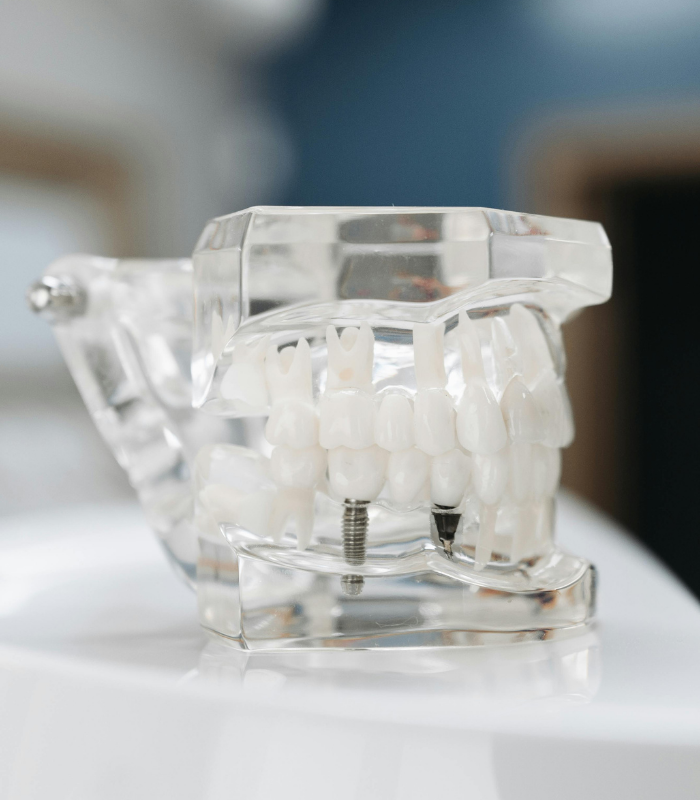
Sialadenitis
Infection or inflammation of a salivary gland, often causing pain, swelling, and sometimes pus.
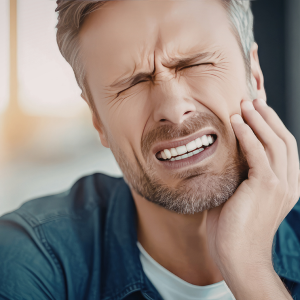
Mumps
A viral infection that causes swelling of the parotid glands, historically common but now rare due to vaccination.
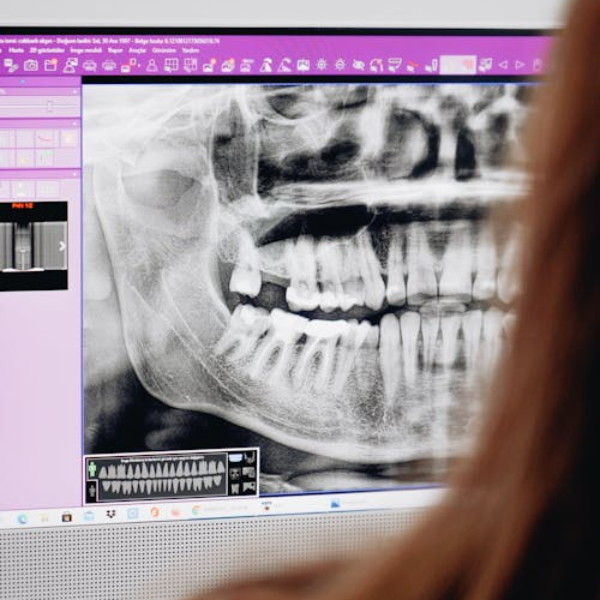
Salivary Gland tumors
Abnormal growths that may be benign or malignant, requiring prompt diagnosis and treatment.

Dry Mouth (Xerostomia)
Reduced saliva production can lead to cavities, difficulty swallowing, and discomfort.
Diagnosis and Evaluation
At our practice, diagnosing salivary gland disorders begins with a thorough medical history and physical exam. Your provider may ask about symptoms such as swelling, pain, dryness, or taste disturbances.
Additional assessments may include:
Ultrasound imaging to visualize gland structure and detect stones or tumors
Sialography, an imaging test that uses dye to examine saliva flow
Saliva flow measurements
Biopsy if a tumor or abnormal growth is suspected

Treatment Options
Treatment depends on the specific disorder and severity but often includes:
- **Conservative management:** Warm compresses, hydration, and gentle massage of the glands to promote drainage
- **Medications:** Antibiotics for infections, pain relievers, or sialogogues (substances that stimulate saliva)
- **Minimally invasive procedures:** Removal of salivary stones using sialendoscopy
- **Surgical intervention:** Removal of tumors or severely affected glands when necessary
Preventive measures are also important, especially for recurrent stones or infections. These include maintaining good oral hygiene, staying well-hydrated, and avoiding factors that can lead to dry mouth, such as certain medications or smoking.
Living with Salivary Gland Disorders
While some salivary gland issues are temporary and resolve with treatment, others may require ongoing care. Managing dry mouth, for example, involves lifestyle adjustments and saliva substitutes to maintain oral comfort and health.
Our team of experienced oral medicine specialists is dedicated to helping you understand your condition and navigate treatment options confidently. We focus on personalized care tailored to your needs, ensuring optimal outcomes and improved quality of life.

Take the First Step Toward Better Oral Health
If you're experiencing symptoms like jaw swelling, persistent soreness, or dry mouth, don't wait to seek expert advice. Contact us today to schedule an appointment with our specialists in Salivary Gland Disorders. We're here to support your oral health and overall well-being with compassionate, expert care.