
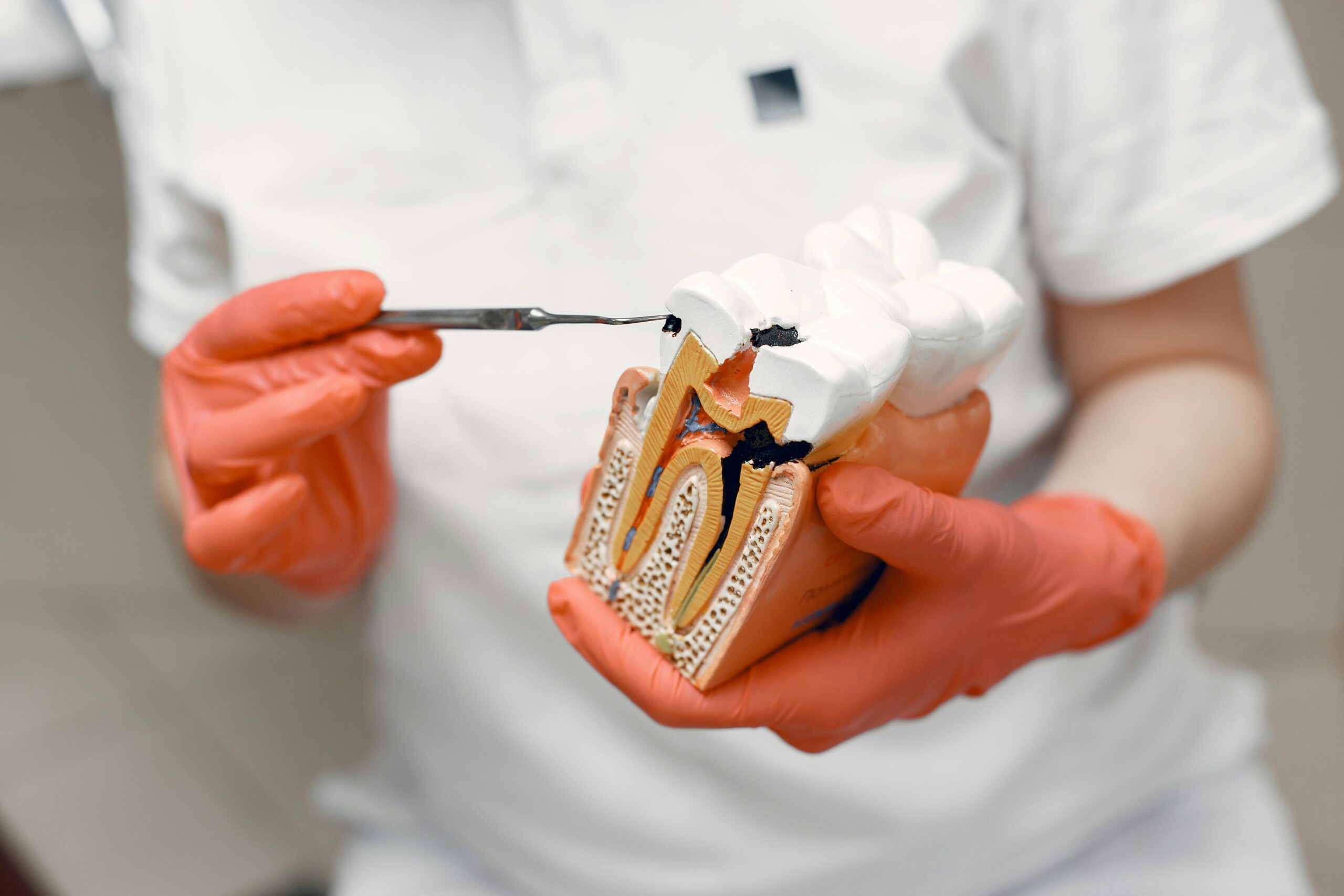
Your smile is often the first thing people notice about you, and healthy teeth play a big role in that impression. But did you know that the strength and health of your teeth depend largely on a tiny but mighty layer called tooth enamel? Many people have heard of enamel but might not fully understand what it is or why it’s so crucial to your oral health. If you’re wondering, “what is tooth enamel,” and how you can keep it in tip-top shape, you’re not alone. Protecting this outermost layer is essential because once damaged, it can lead to sensitivity, cavities, and even tooth loss. Understanding the role of enamel can help you take better care of your teeth and maintain a radiant, healthy smile for years to come.
What Is Tooth Enamel?
Tooth enamel is the hard, protective outer covering of your teeth. It’s the strongest substance in the human body, even tougher than bone. Enamel forms the first line of defense against physical and chemical damage from everyday activities like eating, drinking, and even breathing. Its primary purpose is to safeguard your teeth from decay and wear. Without enamel, your teeth would be vulnerable to acids, bacteria, and chips that could cause serious damage.
Enamel is composed mainly of minerals—specifically hydroxyapatite—making it incredibly durable. Despite its strength, enamel isn’t indestructible. Once it’s damaged or worn down, it cannot be regenerated naturally, which is why protecting it is so important. Enamel development begins before birth, and it continues to mature during childhood. Good oral hygiene and proper diet are vital to maintaining its health throughout your life.
Tooth Enamel Function
The main functions of tooth enamel include protecting your teeth from decay and helping maintain your smile’s integrity. It acts as a barrier against plaque bacteria, acids, and other harmful substances that can erode the tooth surface. Enamel also plays a role in insulate your teeth, preventing sensitivity to hot, cold, or sweet foods and drinks.
The smooth surface of enamel allows for easy chewing and biting. It also helps your teeth withstand the daily stress of biting and grinding without chipping or cracking. Properly maintained enamel ensures your teeth remain functional and strong, reducing the need for costly dental repairs.
However, enamel isn’t immune to damage. Enamel erosion occurs when acids from food, drinks, or your stomach eat away at this protective layer. Over time, erosion can lead to increased sensitivity, discoloration, and cavities. Protecting tooth enamel is key to keeping your smile healthy and vibrant.
Enamel Erosion: Causes and Prevention
Enamel erosion happens when acids wear down your tooth’s surface faster than it can repair itself. Common causes include:
– Frequent consumption of sugary or acidic foods and beverages
– Gastrointestinal reflux or frequent vomiting
– Brushing too hard or with a hard-bristled toothbrush
– Bruxism, or teeth grinding and clenching at night
– Dry mouth, which reduces saliva’s natural protective effects
To prevent enamel erosion, consider these tips:
– Limit intake of soda, citrus fruits, and sweets
– Use a soft-bristled toothbrush and gentle brushing techniques
– Wait at least 30 minutes after eating before brushing
– Use fluoride toothpaste to strengthen enamel
– Regular dental checkups for early detection
Maintaining healthy enamel not only prevents sensitivity and decay but also preserves your overall dental health.
Protecting Tooth Enamel
Taking proactive steps to protect your enamel can save you pain, money, and time later on. Here are some effective ways to keep your enamel strong:
– Use fluoride treatments or toothpaste to strengthen enamel
– Avoid excessive brushing or harsh abrasives
– Limit acidic and sugary foods and beverages
– Wear a mouthguard if you grind your teeth at night
– Attend routine dental visits for professional cleanings and checks
If you notice increased sensitivity, discoloration, or rough patches on your teeth, schedule a dental appointment. Early intervention can mean less invasive treatment and better long-term health for your teeth.
Book an Appointment Today
Taking care of your tooth enamel is essential for maintaining a beautiful, functional smile. Regular dental visits help detect early signs of enamel wear and allow for personalized advice on protecting your teeth. Don’t wait until problems arise—book an appointment with your trusted dentist today and start prioritizing your oral health.
FAQs
What is tooth enamel made of?
Tooth enamel is mainly composed of minerals, primarily hydroxyapatite, which gives it its hardness and resilience.
Can enamel grow back once it’s damaged?
No, enamel cannot regenerate naturally once it’s worn away or damaged. That’s why prevention and protection are so important.
What causes enamel erosion?
Enamel erosion is caused by acids from foods, drinks, stomach acid, brushing improperly, teeth grinding, and dry mouth, among other factors.
How can I protect my tooth enamel?
Use fluoride toothpaste, avoid acidic foods and drinks, brush gently, wear a mouthguard if grinding, and visit your dentist regularly.
Conclusion
Understanding what is tooth enamel and why it’s vital to your oral health can empower you to take better care of your teeth. Enamel’s primary role is to protect your teeth against decay, sensitivity, and damage. By maintaining healthy habits such as proper brushing, limiting acidic foods, and visiting your dentist regularly, you can preserve your enamel’s strength for years to come. Remember, enamel damage is often permanent, so prevention is your best strategy for a healthy, confident smile.
Ready to prioritize your dental health? Book an appointment with us today—taking the first step toward a brighter, healthier smile is simple and stress-free. Your teeth will thank you!